Wrapping up a review lesson effectively is an art. You want to close with a bang — not by just rereading notes or a passive recap — but with a sharp, engaging final review challenge that reinforces learning, encourages student ownership, and makes retrieval active and meaningful. Over my 11 years of teaching middle school ELA and social studies, I’ve experimented with many “wrap-up activities,” only to find that the best final rounds include:
- A team challenge format that protects think time and promotes collaboration. Simultaneous answer reveals to keep students from blurting answers and zoning out. Scoring that rewards justification and the ability to critically analyze others’ answers. A light touch of gamification tied directly to knowledge and explanation clarity. An invitation for students to generate questions, amplifying their ownership.
In this deep dive, I’ll walk you through how to design and execute a powerful short final round that hits these marks and delivers a strong lesson review closure where students walk away confident — not just with the facts, but with mastery of concepts and how to think critically about them.
Why Traditional Review Closures Often Miss the Mark
Too many lessons end with a round of “Who remembers this?” or “Let’s read over notes one more time.” This might feel like closure, but when you look closely, it’s mostly passive engagement:
- Rereading Notes: Repetition without retrieval doesn’t change long-term retention. Ring Leader Answering: One student blurts out answers; others tune out. Speedy Q&A: Students answer too quickly without thinking to get a reward, reinforcing shallow recall.
Active retrieval, where students pull knowledge from memory and apply it, is the evidence-backed way to strengthen learning. Pair that with team structures that protect think time and encourage questioning, and you transform review time from “noise” to powerful learning moments.
Designing the Final Review Challenge
A final round should be quick, intense, and collaborative. Here’s how to build it step-by-step:
1. Set Up Teams with Clear Roles
Divide the class into small teams (3–4 students). Assign roles like “recorder,” “discussion leader,” and “presenter,” rotating these each round to promote ownership and participation.
- Think Time: Team discussions allow more students to think, ask why, and explain rather than blurt answers. Collaboration: It reduces pressure on individuals and creates opportunity for peer teaching.
2. Prepare or Invite Student-Generated Questions
Have students create questions on key lesson content before the final round. This not only makes the challenge feel relevant but also deepens ownership and metacognitive engagement.
- Choose questions that require short answers or explanations, not just facts. Include questions that lend themselves to identifying wrong answers or common misconceptions.
3. Use Simultaneous Answer Reveal
One of the golden rules: no one blurts first. Instead, all teams write their answers simultaneously and reveal at the same time. This keeps every group accountable and focused during the entire round.
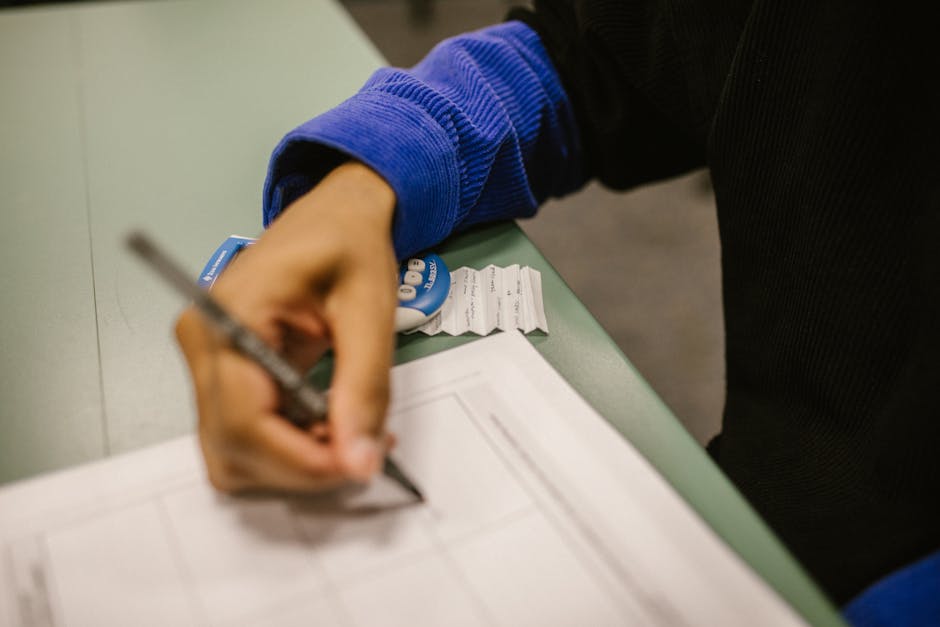
- Use whiteboards, tablets, or paper — whatever is fastest and visible. Set a timer (I keep one in my pocket!) to ensure think time is protected but limited.
4. Score with Explanation and Critical Analysis
Give points not just for correctness but also for:
- Quality of Explanation: Why is their answer right? Identifying Errors in Others’ Answers: How can they explain why a competing team’s answer is wrong?
This encourages students to think deeply, not just guess or rush. Scoring table example:

5. Close with Reflection and Next Steps
After the game, have teams reflect briefly:
- What made a strong explanation? Why is it helpful to understand why an answer is wrong? Which questions challenged us and why?
This reflection reinforces metacognition and primes students for future learning.
Example Final Review Challenge in Action
Imagine you are wrapping up a lesson on the causes of the American Revolution. Here’s how ohmypuns it could look:
Divide students into four teams. Students each submit 1-2 questions earlier in the lesson or via exit tickets (e.g., “Why did taxation without representation anger colonists?”) Randomly select 5 questions for the final round. Teams discuss and write answers on mini whiteboards within 2 minutes. On the timer buzz, each team reveals answers simultaneously. Teams score themselves using rubric — 2 points for right answer with explanation, 1 point if explanation weak, plus 1 point for identifying flaws in opposing teams’ answers. Quick class discussion on common misconceptions and clarifying key points. Reflect on which explanations were strongest and why.Why This Method Works
- Active Retrieval: Pulling answers from memory, then explaining, boosts long-term retention. Team Discussions: Think time and peer teaching help students process ideas deeply. Simultaneous Reveal: Stops premature blurting and keeps all engaged. Gamification with Purpose: Scoring is tied to deeper thinking, not just speed or guesses. Student Ownership: Question writing and role assignment motivate accountability.
Tips to Make Your Final Review Round Even Better
- Keep It Under 15 Minutes: The final challenge is a brisk activity, not a new lesson. Use a Timer: Protect staff and student pacing — I always keep a timer in my pocket and use it to keep the round tight. Rotate Leadership: Giving students the role of posing questions or leading explanations fosters ownership. Emphasize “Why”: Always ask students to explain their reasoning and to evaluate others’ reasoning. Celebrate Effort and Insight: Make space for teams that show thoughtful reasoning even if answers aren’t perfect.
In Conclusion
Ending your review lesson with a short, powerful final round can transform passive recap into active retrieval, collaboration, and meaningful learning. By structuring the activity as a simultaneous answer reveal, encouraging explanations, rewarding critique of wrong answers, and involving students in question writing, you create a final review challenge that energizes your class and provides authentic closure.
Remember: it’s not just about ticking off review — it’s about ensuring students can think critically, explain clearly, and own their learning. Give this method a try in your next wrap-up activity and watch engagement and retention soar!